KeyWay Report: Reginald Beaty
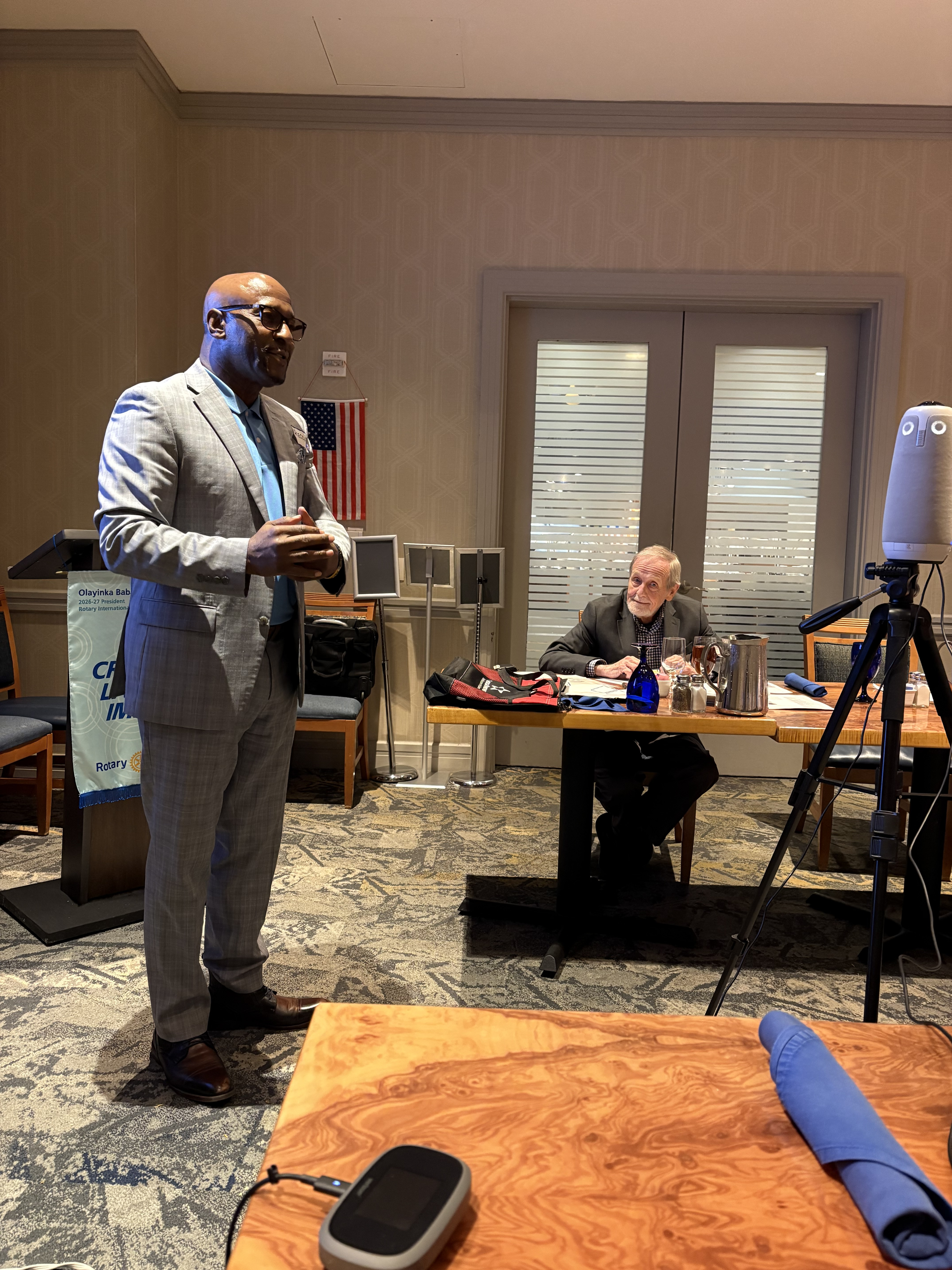
President Chris Hempfling welcomed all to the meeting and asked Neil Shorthouse AWER Secretary and AWER program chair of October to introduce our speaker, his near fifty-year friend, Mr. Reginald Beaty, President of The Foundation for Educational Success.
Reginald Beaty opened his presentation by asking two foundational questions: what is the status of Black boys in America today, and what do Black boys believe America thinks of them? He grounded his remarks in federal data from the National Assessment of Educational Progress (NAEP) and his own personal experience growing up in Bankhead Courts, then one of Atlanta's most challenging neighborhoods.
Reggie emphasized that Black boys are not the problem. Rather, a series of compounding gaps: opportunity gaps, resource gaps, economic gaps, exposure gaps, peer gaps, and father-figure gaps make it hard to succeed.
He highlighted that NAEP data that not surprisingly confirm the academic achievement gap between Black boys and their white and Asian counterparts persists. Further, Black boys continue to be disciplined at disproportionately high rates, leading to lost instructional time. If a child cannot read by the third grade, Beaty noted, the downstream consequences — disengagement, involvement in the juvenile justice system, and economic marginalization — become trends that are difficult to reverse.
He also raised the issue of financial literacy, sharing that in barbershop conversations with over twenty Black men, only one reported investing in the stock market. He connected this directly to the absence of financial education in many Black households, arguing that economic empowerment cannot occur without economic knowledge.
Mr. Beaty drew on federal research, and his own life experience to frame a candid discussion about the systemic gaps, perceptions, and opportunities affecting Black boys and Black men in the United States.
- Perception vs. reality: The distinction between how Black boys are portrayed in media despite their actual potential.
- Relationship trajectories: The critical role that positive male figures play in shaping a boy's future.
- Talent identification over problem identification: Shifting focus from a Black boy's challenges to his gifts and strengths. The academic achievement gap between Black boys and their Asian and white peers persists, according to NAEP data.
- Many Black boys perceive that all white men hate them — a perception rooted in lived experience and media imagery, regardless of factual basis.
- Relationships with positive male figures are among the most powerful determinants of a Black boy's trajectory.
Rotary Club members were challenged to reflect on their own roles and responsibilities in supporting Black boys and their communities.
Beaty emphasized it’s not a matter of reclaiming equality, arguing that equity and full inclusion have never been fully realized for Black boys and men. He shared this as a genuine perspective from the barbershop and from his own experience.
He also shared findings from his barbershop conversations about how Black men perceive their place in America's social value hierarchy. The men he spoke with described a ranking in which white males sit at the top, followed by white females, Asian males and females, Indian males and females, Latino men and women, Black women, and finally Black men — with Native Americans described as largely invisible to the system.
This perceived hierarchy, Beaty explained, drives political disengagement. When Black men do not see themselves reflected in systems of power or feel that their votes produce no meaningful change in their daily lives, they disengage from civic participation. He was careful to note that this is a perception — not a statement of absolute fact — but stressed that perceptions shape behavior and self-worth.
He also introduced a critical insight about emotional language: when a Black boy says "you disrespected me," he is actually saying "you hurt me." Because vulnerability is culturally coded as weakness in many Black communities, Black boys and men do not use the language of pain or trauma. This suppression of emotional expression, Reggie argued, leads to outward aggression and cycles of violence that are then criminalized rather than understood.
In response to violence as a frequent way of proving manhood, Craig Summers, an AWER visitor, commented that when a boy's only available model of strength is physical dominance — fighting, toughness, street credibility — that becomes his norm. Violence as a response to disrespect becomes normalized because no alternative framework for manhood has been modeled or made accessible. Reggie Beaty affirmed this, connecting it in part to the absence of father figures and the cultural suppression of emotional vulnerability.
Reggie closed his presentation with his own story of growing up in Bankhead Courts, being expelled from Atlanta Public Schools in the ninth grade for fighting, spending two years in the streets, and incarceration three times as a juvenile. He was not lacking in cognitive ability — his challenges were non-cognitive, rooted in the unaddressed trauma and instability he carried into every classroom.
His turning point came through Communities in Schools, the organization Neil Shorthouse introduced him to, which saw potential in him that he could not yet see in himself. At sixteen, he put down his weapons. He earned a GED, attended Stillman College on a scholarship, entered the military through ROTC, and retired as a lieutenant colonel after twenty years of service. General Colin Powell had identified him for a general officer track, and was reportedly disappointed when Beaty chose to return to work with Communities in Schools instead.
Beaty noted that three of his four closest childhood friends did not share his outcome — one is serving a life sentence, one has died, and one is struggling with addiction. He attributed his different trajectory entirely to the intervention of people who chose to invest in him. He now works nationally with school principals on leadership development and school turnaround, and his siblings, children, and grandchildren have all gone on to own homes and pursue higher education.
He ended by challenging every person in the room — regardless of race — to move beyond passive membership and take an active role in the lives of Black boys and the broader community — not through charity, but through opportunity creation, mentorship, and genuine relationship-building. He emphasized that opportunities create hope, and without hope, no amount of expectation-setting will produce change.
October 22, 2026 9:00am
Comments
This Year’s Posts:
- Oct 22: West End Member Social on October 29
- Oct 22: Volunteer Opportunity with Midtown Atlanta Rotary
- Oct 22: KeyWay Report: Reginald Beaty
- Oct 22: Agenda, Connections, & Four-Way Test
- Oct 22: This Week's Program: Mark Newman
- Oct 22: RYE Students Enjoy Behind-the-Scenes Look at Delta Air Lines
- Oct 21: Charity Meets the Need. Equity Asks Why.
- Oct 21: Generations Gather in Henry County to Celebrate Peace, Unity and Community
- Oct 20: From Georgia to Europe: GRSP Friendships Last a Lifetime
- Oct 20: Power of Matching Makes Even More of a Difference
- Oct 19: Multiple Partners Sustain & Enhance a Global Grant Project
- Oct 19: North Fulton Raises the Roof with Habitat for Humanity!
- Oct 19: Support Be the Voice Program in Our Schools
- Oct 19: Tyrone Founders Day 5K Supports Local Community!
- Oct 19: Peachtree City Wins 2026 Citizens Choice Award
- Oct 19: Peachtree City Celebrates Miss Georgia 2026 and Her Service Initiatives
- Oct 15: KeyWay Report: Honorable Roger Bruce
- Oct 15: Agenda, Connections, & Four-Way Test
- Oct 15: This Week's Program: Reginald Beaty
- Oct 11: Atlanta West End Rotary Returns to Atlanta Streets Alive This Fall
- Oct 8: Agenda, Connections, & Four-Way Test
- Oct 8: KeyWay Report: Cynthia Edwards
- Oct 8: This Week's Program: The Honorable Roger Bruce
- Oct 7: NAPA's Royal International Ball Returns, Bigger Than Ever
- Oct 7: NAPA Rowtarians Take on the Atlanta Dragon Boat Race
- Oct 7: Dougherty County Brings Books to Community Center
- Oct 1: Introducing GRSP Connect Newsletter
- Oct 1: 29th Annual Mayor’s Corporate Challenge Breaks Records in Alpharetta
- Oct 1: Agenda, Connections, & Four-Way Test
- Oct 1: KeyWay Report: Club Assembly
- Oct 1: This Week's Program: Rotary District Governor Cynthia Edwards
- Sep 30: Domestic Violence Awareness Month
- Sep 30: Growing Membership: Increasing Rotary’s Impact
- Sep 30: October ... A Time to Celebrate, Consider Opportunities and Act
- Sep 30: Rotary Means Business Returns to D6900
- Sep 30: Muscogee-Columbus Hosts Oyster Roast
- Sep 28: Atlanta Southern Crescent: Where Tacos Meet Self-Defense!
- Sep 27: Find Your Voice: Why Every Rotarian Should Attend RLI
- Sep 27: Every Act of Service is an Act of Peace
- Sep 27: A Rotary Legacy Four Generations Strong
- Sep 27: Are You Barcelona Bound?
- Sep 27: Two Rotarians. Two Cultures. One Conversation.
- Sep 27: More Than 350 Million Reasons to Give to The Rotary Foundation ...
- Sep 27: World Polio Day - October 24!
- Sep 27: Nominations for 2029-2030 District 6900 District Governor Due By 10/31
- Sep 26: North Cobb - Where Service Meets Social
- Sep 26: North Cobb Joins 9/11 Field of Flags
- Sep 26: Roswell Responds to Michigan Rotarian Request for Help
- Sep 26: Countdown to GLL Founders Day Celebration
- Sep 25: Atlanta West End: Service Above Self on the Westside BeltLine
- Sep 25: Vinings Cumberland Helps Bring Tandem Cycling to Blind Athletes
- Sep 24: KeyWay Report: Mandy Eidson
- Sep 24: Agenda, Connections, & Four-Way Test
- Sep 24: L.E.A.D. Center For Youth's Community Champions Celebration
- Sep 23: We Can Help! Forty Clubs Share Easy Polio Initiatives
- Sep 23: Emory Druid Hills Grant Equals More Than School Supplies
- Sep 17: KeyWay Report: Ms. Tiauna Crooms, BTW High School
- Sep 17: This Week's Program: Mandy Eidson and Taylor Drakeford |Self-Help Credit Union
- Sep 17: Atlanta West End BeltLine Cleanup — September 19
- Sep 17: L.E.A.D. Center For Youth's Community Champions Celebration
- Sep 17: Agenda, Connections, & Four-Way Test
- Sep 10: This Week's Program: Mrs. Tiauna Crooms of Atlanta Public Schools
- Sep 10: Agenda, Connections, & Four-Way Test
- Sep 10: Atlanta West End BeltLine Cleanup — September 19
- Sep 10: L.E.A.D. Center For Youth's Community Champions Celebration
- Sep 4: Maciej Derecki Continues a GRSP Legacy in Newnan
- Sep 3: KeyWay Report: Club Assembly
- Sep 3: Henry County Turns Used Medical Equipment into Renewed Independence
- Sep 3: Atlanta West End BeltLine Cleanup — September 19
- Sep 3: L.E.A.D. Center For Youth's Community Champions Celebration
- Sep 3: Agenda, Connections, & Four-Way Test
- Sep 2: Steve Ivory Joins GRSP Foundation Board
- Sep 2: RYLA Club Registration Now OPEN
- Aug 31: The Eight Pillars of Peace
- Aug 31: Introducing Laura McConatha
- Aug 31: Support Relief Efforts in Nepal
- Aug 31: Join the Return to Oz ... Asheville 2027
- Aug 31: Thank You Rotary People of Action!
- Aug 31: September is Basic Education and Literacy Month
- Aug 31: Georgia Rotary Student Program Celebrates 80 Years of Bringing Nations Together
- Aug 31: East Cobb's Dog Days Run Raises $77,550 for Community
- Aug 28: District Newsletter Editor Wanted for 2027-28 Rotary Year
- Aug 28: 30 Years Running for a Reason
- Aug 27: Free CPR Instructor Training for Rotarians
- Aug 27: KeyWay Report: Jay Morgan
- Aug 27: L.E.A.D. Center For Youth's Community Champions Celebration
- Aug 27: Agenda, Connections, & Four-Way Test
- Aug 26: Roswell’s Big Connect Yields Big Help To Local Causes
- Aug 26: Rotary Clubs Support Life-Changing Cleft Care in Bolivia
- Aug 25: Great Start to a New Contest Year
- Aug 25: The Early Bird Catches the Worm!
- Aug 25: From Idea to Tee Box: Meriwether Rotary Gets Ready to Play “Par for a Purpose”
- Aug 25: Every Rotarian, Better Rotarian
- Aug 25: Columbus-Muscogee Full of Rotary Adventure
- Aug 24: NAPA Gives Back: 205 Backpacks, 205 Kids Ready for School
- Aug 24: Think About This Fundraiser Idea ... and Share Yours
- Aug 24: Paul Harris Lives On!
- Aug 24: Community Awareness: Understanding the Impact of Opioids and Substance Abuse
- Aug 24: Peachtree City Back to School Bash Helps Students Succeed
- Aug 21: North Fulton Installs Landscaping for Habitat Home
- Aug 21: How Far We’ve Come in Such a Short Time!
- Aug 21: Rotary Welcomes 2026-27 RYE Students
- Aug 20: Atlanta West End BeltLine Cleanup — September 19
- Aug 20: KeyWay Report: Daniel Hardeman
- Aug 20: Agenda, Connections, & Four-Way Test
- Aug 20: This Week's Program: Jay Morgan, Founder of J.L. Morgan Company
- Aug 19: Carrollton-Dawnbreakers Fill Little Free Pantries
- Aug 19: Become a CPR & AED Instructor
- Aug 19: Congratulations to 2026-2027 Competitive Grant Recipients!
- Aug 19: Dougherty County Featured on WALB Town & Country
- Aug 13: KeyWay Report: Adrienne Langford
- Aug 13: This Week's Program: Daniel Hardeman, Regional Developer of Big Dill, LLC
- Aug 13: Agenda, Connections, & Four-Way Test
- Aug 10: Share Your Ideas with Rotary International
- Aug 6: KeyWay Report: Adenike + Nandela
- Aug 6: Agenda, Connections, & Four-Way Test
- Aug 5: This Week's Program: Adrienne Langford, K-12 Outreach Representative, Georgia Student Finance Commission
- Aug 2: Atlanta Southern Crescent Help Kindergartener Begin School Year with Confidence
- Jul 30: KeyWay Report: Della the Doula
- Jul 30: Agenda, Connections, & Four-Way Test
- Jul 29: This Week's Program: Adenike McDonald, MPH and Nanella "Doula Nan" Haynes
- Jul 27: Paulding County Boasts Friendships, Commitment to Community
- Jul 27: North Columbus Completes Clean & Green Sanitation Hub in Nepal
- Jul 27: Off to a Great Start!
- Jul 27: The Start of New Year
- Jul 26: Disaster Relief Appeal
- Jul 25: While We're Talking Polio: Let's Make October 24 Count
- Jul 25: Atlanta Ascent Joins District 6900's Rotary Family
- Jul 25: North Cobb Supports Kids2Leaders Camp; Addresses Hunger Issues
- Jul 25: Welcome the North Cobb Hero Duck!
- Jul 25: Peachtree City Rotary Creates Lasting Impact Through Community Grants and Service
- Jul 25: When History Touches "The Now"
- Jul 25: Join Us at June 2027 Rotary International Convention: Barcelona, Spain
- Jul 25: New School Year, New Opportunity for Student Voices
- Jul 23: GRSP Elects FY27 Leadership, Honors Emeritus and Welcomes Class of 2026-27
- Jul 23: Why RLI Matters: And Why You Should Be There
- Jul 23: Heart Behind the Pin: Honoring Service and Legacy of Carrollton Rotarian Jim Gill
- Jul 23: Agenda, Connections, & Four-Way Test
- Jul 23: AWER Member Survey: What We Heard
- Jul 23: KeyWay Report: Board of Directors and Club Assembly
- Jul 22: Buckhead's Year Begins with Sleeves Rolled Up
- Jul 22: Create Lasting Impact through CPR Training
- Jul 22: This Week's Program: Della the Doula
- Jul 21: Join Us in Honduras ... A Journey of Joy
- Jul 21: NAPA Welcomes DG Cynthia Dorsey Edwards
- Jul 21: Roswell’s “Connections Challenge”
- Jul 21: North Fulton Provides Back Packs and School Supplies
- Jul 20: Three Clubs Partner to Serve The Table on Delk
- Jul 19: Happy 100 Years to RC of Blakely!
- Jul 16: Agenda, Connections, & Four-Way Test
- Jul 16: Keyway Report: Installation Banquet & Atlanta Technical College
- Jul 16: KeyWay Report: Cameron Turner, Executive Director of the Children's Day Shelter
- Jul 16: Club Assembly
- Jul 9: Agenda, Connections, & Four-Way Test
- Jul 8: This Week's Program: Cameron Turner, Executive Director of Atlanta Children's Day Sheter
- Jul 7: Atlanta Brasil Hosts World Cup Watch Party
- Jul 7: Dunwoody Presents Fourth of July to Remember!
- Jul 7: Griffin Daybreak and Griffin Team Up to Beat the Heat
- Jul 3: Forever I Love Atlanta: West Side Story — Free Exhibition in the West End
- Jul 2: Better Than Your Best
- Jul 2: Doggone Good Time Had By All!
- Jul 1: Join Us in Asheville for the 2027 District 6900 District Conference
- Jul 1: Join Us in Asheville for the 2027 District 6900 District Conference
- Jul 1: Thanks for a Year Well Done!
- Jul 1: Rotary International President Visits District 6900
- Jul 1: North Cobb Helps Feed and Refresh the Community
- Jul 1: Welcome to Our New Rotary Year!
- Jul 1: Emory Druid Hills Celebrates Club Leadership
- Jul 1: Welcome Our New RLI Directors
- Jul 1: Maternal and Child Health Month — July